From Mountain Timber to Sea Salt: The Alpine‑Adriatic Materials Shaping Craft

Journey through the Alpine‑Adriatic where Regional Materials That Define Alpine‑Adriatic Craft—from patient mountain timber to hand‑raked sea salt—guide how people build, cook, and celebrate. We will meet makers from Tyrol to Istria, trace resources along ridges and coasts, and feel how landscapes become furniture, tools, vessels, flavors, and living memory worth passing on.

Larch Boards That Weather With Dignity

Larch’s resin‑rich heartwood shrugs off rain, snow, and the endless thaw‑freeze rhythm carved by mountain days, which is why shingles, cladding, and alpine footbridges age to silver instead of surrendering. Old barns teach patience: select straight grain, pre‑dry under deep eaves, and let the façade season outdoors. Each knot becomes punctuation, not a flaw, when the joinery respects expansion.

Spruce That Sings in Hands and Halls

Val di Fiemme’s resonance spruce once drew Stradivari, and that same clarity lightens rafters, instruments, and interiors today. Makers tap billets and listen for bell‑like response before planing braces or framing ceilings. The wood’s lightness invites daring spans; its scent comforts in winter kitchens. When a violin and a roof share a forest, craft becomes a conversation across centuries.

Stone Pine Scent and the Science of Comfort

Swiss stone pine carries alpine air into bedrooms, chests, and carved panels, its essential oils softly aromatic for decades. Studies from Austria suggest calmer heart rates in stone‑pine rooms, echoing grandparents who swore by restful sleep beneath its grain. Carvers leave tool marks intentional, catching light like ripples on snowfields, while cabinetmakers align knots as constellations guiding evening stories.

Crystals Born of Wind and Sun

Hand‑Raked Pans of Piran and Sečovlje

In Slovenia’s Sečovlje and nearby Piran, the petola layer—an organic film nurtured all season—keeps crystals clean and afloat. Salters speak of winds as collaborators, naming squalls and breezes like old friends. They skim fleur de sel with wooden tools, never metal, and let piles dry beneath woven shades. Every grain remembers morning light, a careful step, and a practiced wrist.

Salt That Speaks Through Cured Foods

San Daniele’s delicate ham, Karst pršut hung in stony cellars, Paški sir from an island brushed by salty herbs, and anchovies stacked in barrels all rely on trustworthy crystals. Salt draws moisture, shapes texture, and preserves character without silencing it. Families compare cures like dialects, adjusting humidity, airflow, and time. A slice, a crumble, a fillet—each reveals coastal geographies.

Mineral Geometry Inspiring Everyday Making

Polygon patterns on calm pans echo in textile weaves, ceramic sgraffito, and engraved woodcut boards. Leatherworkers remember that initial salting safeguards hides for future bags and boots, while cooks embrace salt’s crunch as a finishing texture. Photographers chase pink dusk across the flats; sketchers map reflection into linework. When materials spark motifs, utility and ornament merge into generous, shared practice.

Stone, Clay, and the Weight of Ground

Karst limestone, dolomite ribs, and river clays lend heft, cooling shade, and sturdy warmth to villages that dart between passes and sea. Dry‑stone masons tune walls to drain and breathe; potters wedge alluvial clay until it feels like certainty. Terrazzo floors in port cities stitch pebbles to lime, while mountain roofs carry slabs that mutter gravelly lullabies during rain.

Karst Limestone Walls That Breathe

No mortar, only fit: stones stacked with tiny crease‑like vents keep vineyards buffered, trails defined, and gardens tempered against heat. The wall’s thickness delays noon, releasing evening cool exactly when families step outside. Lichen describes age better than ledgers. Repair is a ritual—unstack, re‑read each piece, and rebuild the sentence—so the boundary endures without becoming a barrier.

Dolomite Slabs Guiding Roofs and Footpaths

Flat, patient plates carry snow, slow rain, and channel meltwater into cisterns. On steep hamlets they double as steps, gripping boots and hooves. Carvers split blocks along bedding planes, following mountain grammar rather than forcing it. Interiors inherit a quiet echo; exteriors grow soft with moss. Children learn balance hopping stone to stone, keeping company with goats and stories.

Clay Lifted From River Bends

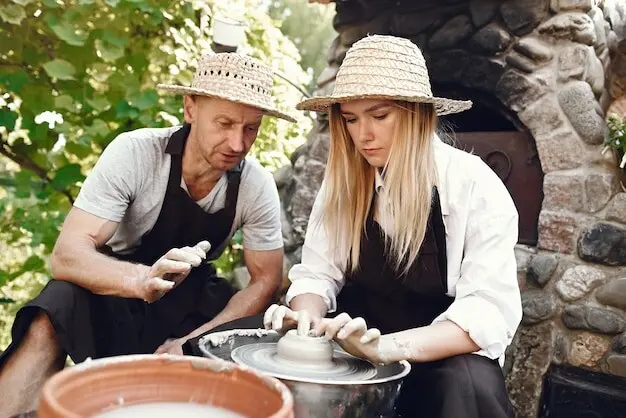
Potters along the Soča and Tagliamento test clay by listening to the coil’s pull. Mineral speckles fire to constellations; grapevine ash adds soft glazes the color of fog. Crocks for pickled cabbage, cups for mountain broth, and amphorae revived for orange wine sit shoulder to shoulder. Every vessel remembers water’s route first, then chooses flame, shape, and service.

Loden Fulling That Shrugs Off Storms

Start with long, even staple; card, spin, and weave plain; then walk the cloth for hours under heat and moisture until it tightens into weather armor. The results are capes and jackets that last decades. A shepherd’s pocket remembers dry tinder and a folded map. Dyed with larch bark or walnut hulls, each garment carries hillsides discreetly on its surface.

Threads That Tie Valley to Port

Ropewalks once ran arrow‑straight behind ports, where hemp strands twisted into hawsers for sails and nets. Upstream, flax linen cooled bedrooms and welcomed guests at Sunday tables. Repair was a virtue: darning mushrooms, sail patches, net mends learned young. When hands know splices and seams, storms lose some bite, and textiles become companions that answer back with reliability.

Lace as Light as Mountain Air

Idrija’s bobbins click like small birds, translating patterns named for flowers, saints, and local springs. Fine flax threads pull lessons through generations, from collars to altar cloths to cuffs edging wedding dresses. Lace does quiet work—framing faces, catching candlelight, softening strong materials nearby. In every knot and turn lies a cartography of patience, precision, and neighborhood pride.

Metal, Spark, and Patient Hands

Forges dot valleys where water once pumped bellows and hammers. Steel arrives as bar, leaves as knife, hinge, hook, or crampon after hours of rhythm and heat. Copper kettles keep milk honest for cheeses like Montasio and Tolminc, while rivets hold boats and barns together. The work is bright, loud, and surprisingly tender about edges, temper, and balance.

Resins, Oils, and Quiet Finishes

Beeswax and Propolis as Gentle Shields

Beekeepers skim cappings, melt them slow with a touch of oil, and brush warm balm across cutting boards, cradles, and drawer runners. The result is a breathable barrier that smells faintly of meadow. Propolis adds resilience where fingers polish most. Maintenance feels like gratitude: reapply after holidays, then watch water bead and crumbs sweep away with almost ceremonial ease.

Olive Wood and Oil From Terraced Light

Istrian olive wood turns to spoons that refuse to split, mortars that outlast recipes, and knife handles with patient glow. The groves themselves, stacked on stone terraces, teach makers about grain direction and moderation. Food‑safe oil feeds chopping blocks, revives tired bowls, and brightens travel‑scarred boards. When surfaces drink deeply, meals taste somehow calmer, like conversation finally unhurried.

Herbs, Smoke, and the Color of Patience
Juniper berries perfume cool smoking; mountain hay adds sweetness to butter; walnut husks dye yarn earthy and forgiving. Salt‑brined herbs dry into rubs that recall midsummer even in January. Dyers test swatches and keep notebooks the way sailors keep logs. Tell us what you have tried, what fixed well, and where it failed—we learn fastest when experiments are shared.
Nilozavodariloro
Privacy Overview

This website uses cookies so that we can provide you with the best user experience possible. Cookie information is stored in your browser and performs functions such as recognising you when you return to our website and helping our team to understand which sections of the website you find most interesting and useful.